Earth Day is a great reminder that the choices we make at home matter and can have a real impact on our life in many different ways. Our homes affect how we feel, how we think, and how we connect to the rest of the world.
At Thoughtful Home Studio, I believe a home should do more than just look beautiful. It should feel good to live in. It should support your overall wellbeing, reflect your values, and help you create a more meaningful everyday life. That is why intentional and sustainable living at home matters so much. If you’re also thinking about refreshing your space this season, my Spring Reset at Home guide is a great companion to this post. When we choose natural materials, reduce waste, improve air quality, support biodiversity, and make our homes work more efficiently, we create spaces that feel healthier, calmer, and more restorative.
Everything is connected, and a healthy home will improve your holistic wellbeing and contribute to a healthier planet.

What Is Sustainable Living at Home?
Sustainable living at home is about looking at intentional choices you can make at home to support your holistic wellbeing and the planet. Instead of focusing only on how a home looks, it considers how your space supports physical health, emotional comfort, daily routines, and long-term sustainability.
Why Sustainable Choices at Home Matter
Every choice we make at home has an impact. The paint on your walls, the materials in your furniture, the cleaning products under your sink, the amount of natural light in your home, and whether you buy new or second-hand, all help shape your environment.
More sustainable choices can also help your home become:
- more calming and restorative
- reduce exposure to unnecessary toxins
- more connected to nature
- encourage more mindful choices
- less dependent on disposable, low-quality products
- support overall wellbeing
10 Sustainable Ideas to Try This Earth Day:
1. Choose Natural & Non-Toxic Materials
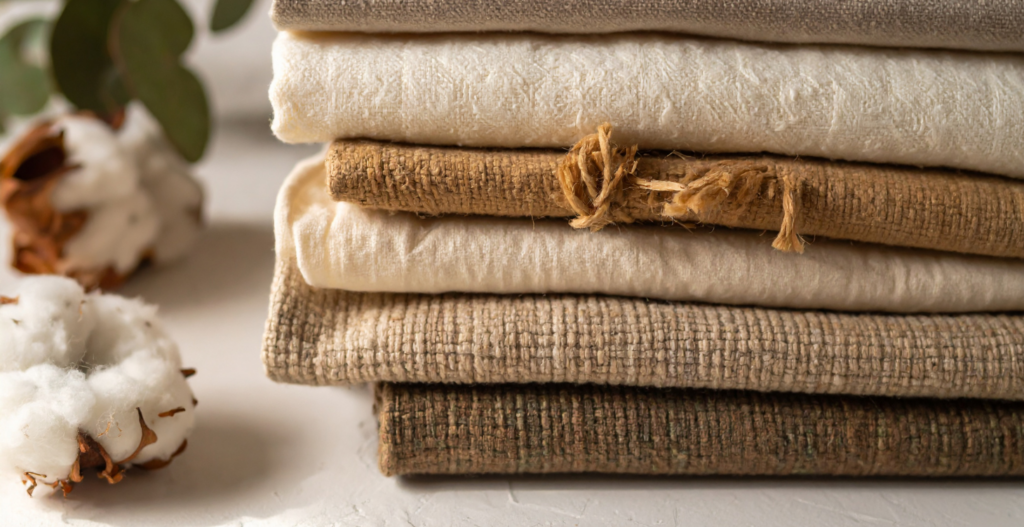
One of the best places to start is with the materials you bring into your home. Natural and low-toxicity materials can help create a healthier indoor environment while also reducing the environmental impact of heavily processed products.
Look for options such as:
- low-VOC or no-VOC paint
- FSC-certified wood
- compostable garbage bags
- reclaimed wood
- bamboo
- cork
- recycled metal
- LEED-certified building supplies
- organic cotton, linen, or wool
- natural finishes instead of harsh chemical coatings
🌿Why it matters
These materials can help improve indoor air quality, reduce chemical exposure, and create a home that feels more natural, grounded, and supportive of overall wellbeing.

2. Swap to Non-Toxic Everyday Products
Sustainable living at home is not only about furniture and décor, it’s also about the products you use every day. There are many natural cleaning solutions you can make at home, or you can simply swap your traditional household products for gentler, non-toxic versions whenever possible.
Try switching to:
- non-toxic dish soap
- eco-friendly laundry detergent
- fragrance-free or naturally scented cleaning sprays
- plant-based all-purpose cleaners
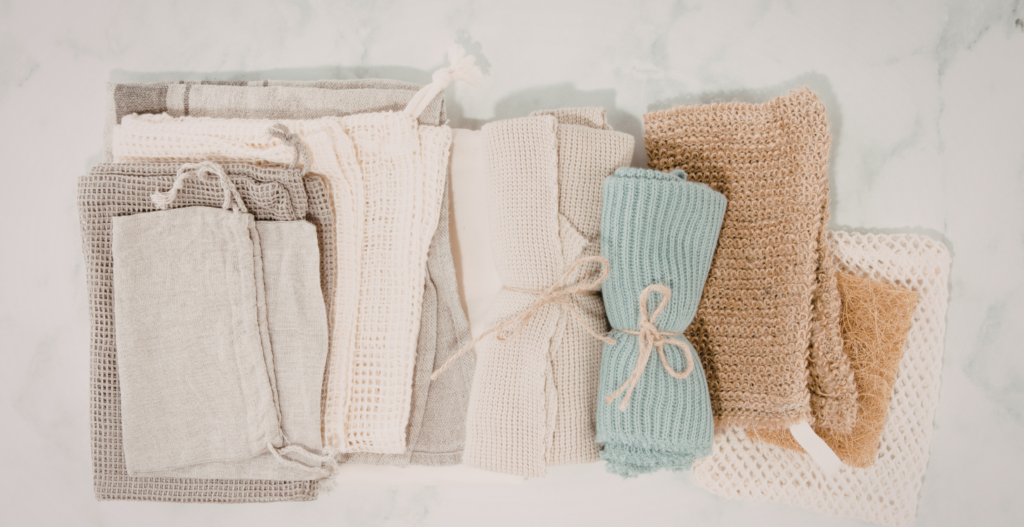
- reusable cleaning cloths
- wool dryer balls instead of dryer sheets
🌿Why it matters
Everyday products like dish detergent, laundry soap, and surface cleaners can affect both the air quality in your home and the amount of harsh chemicals you bring into your daily environment. Making a few thoughtful changes can make your home healthier and lower your environmental footprint.
3. Bring Nature Indoors
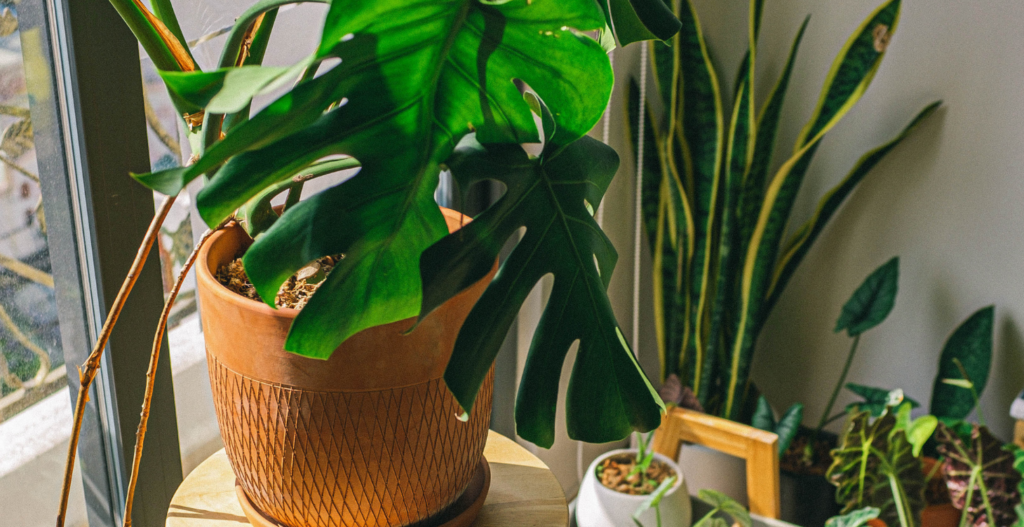
Biophilic design is all about bringing nature into your home to create a calmer, more restorative environment.
Simple ways to do that include:
- adding indoor plants that look good and also clean the air
- letting in as much natural light as possible
- using natural wood and stone textures
- choosing earthy colours
- bringing in woven baskets and natural fibres
- adding a small fountain or water feature
- using more organic shapes in furniture and décor
🌿Why it matters
Nature-inspired spaces in your home can promote creativity and relaxation. This is also at the heart of hygge design philosophy, and if you want to explore that further, Hygge Home Ideas will give you lots of inspration on how to create a cozy, nature-connected home.

4. Reduce Waste by Reusing, Upcycling & Buying Second-Hand
You don’t always need to buy something new to make your home feel fresh. Repurposing and upcycling existing pieces can add beauty, character, and personality, while also reducing waste.
A few ideas:
- repaint an old dresser
- reupholster a vintage chair
- refinish a wood table
- reuse baskets or glass jars for storage
- shop antique, vintage, or second-hand
🌿Why it matters
Repurposed and second-hand pieces can bring character into a home and add a sense of history to a space. If you want to create a thoughtful and timeless home, this is one of the best ways to make a home feel more personal and layered. The added bonus is that you’re also helping to reduce landfill waste and overconsumption.
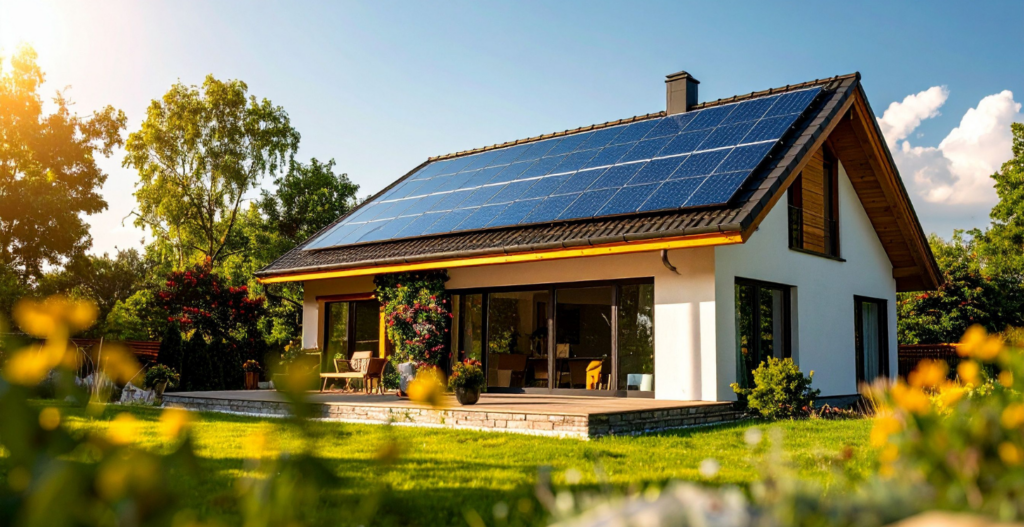
5. Improve Energy Efficiency Through Thoughtful Choices
Sustainable living at home is not only about what you buy, it’s also about helping your home become more efficient by working with nature. Practical upgrades and passive design choices can reduce energy use, improve comfort, and help lower monthly utility costs.
This can include:
- switching to LED lighting
- using smart thermostats
- choosing energy-efficient appliances
- installing low-flow faucets
- using dual-flush toilets
- maximizing daylight with sheer curtains
- placing mirrors to reflect natural light
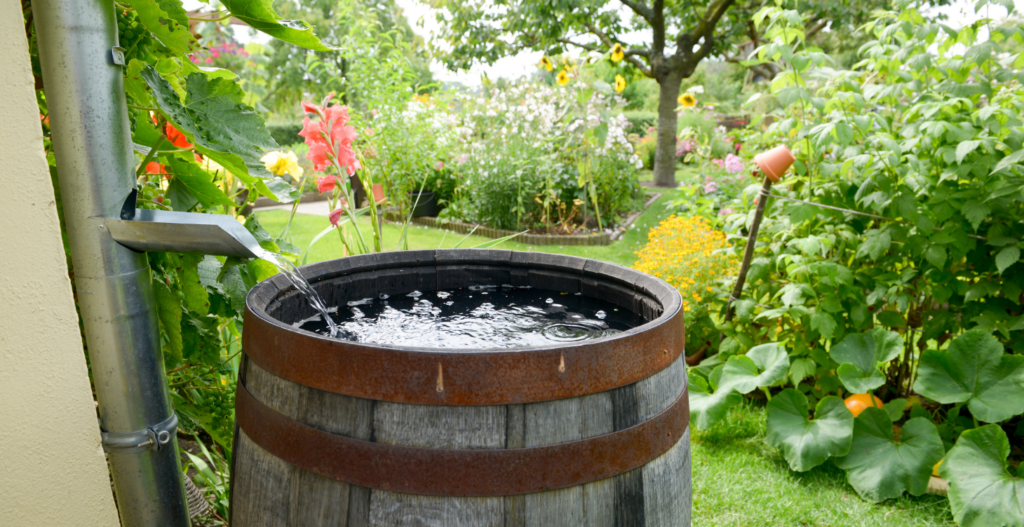
- adding rain barrels
- choosing drought-tolerant landscaping
- using landscaping strategically to reduce heat gain around your home
- choosing insulating window coverings such as lined drapes, cellular shades, or thermal blinds
- closing window coverings during very hot or very cold weather to help regulate indoor temperature
- adding solar panels where appropriate
🌿Why it matters
These choices can help your home stay cooler in summer, cozier in winter, and less expensive to run. Strategically planted trees can provide shade and help cut down on air conditioning costs. Window coverings not only provide privacy, they also act as an extra layer of insulation to keep heat out in the summer, and cold out during the winter.
Solar panels can also be a smart long-term investment, helping reduce both utility bills and environmental impact over time. In many areas, there are government energy rebate and incentive programs available for upgrades, which can make these changes more affordable.
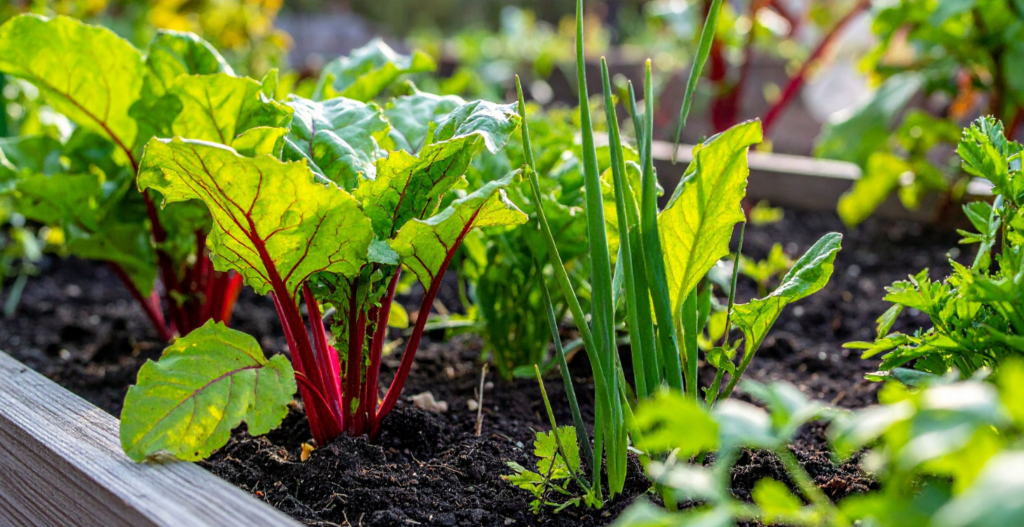
6. Grow Your Own Food
Growing even a little bit of your own food can contribute to a more sustainable lifestyle. A few herbs growing in your windowsill, a raised garden bed in your yard, or a couple of pots growing vegetables on your patio can help you live a little more lightly and feel more connected to nature.
You could grow:
- basil, parsley, mint, or chives in the kitchen
- lettuce in containers
- tomatoes in pots
- strawberries in planters
- vegetables in raised beds
- pollinator-friendly companion plants nearby
🌿Why it matters
Growing your own food can help reduce your carbon footprint by cutting down on packaging, transportation, and store-bought food waste. For many people, taking care of a garden feels relaxing and rewarding and is a great way to support your wellbeing, while also helping the planet.
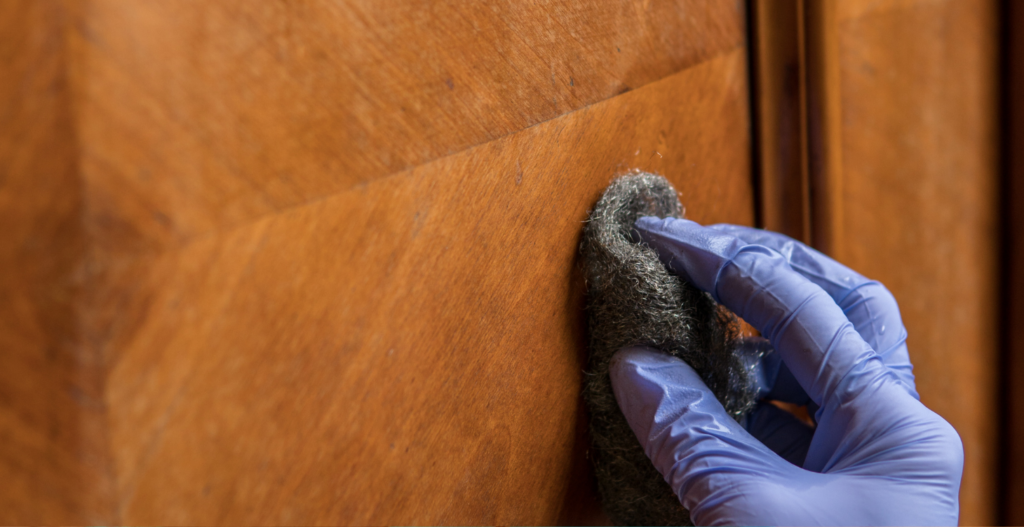
7. Don’t Buy More: Buy Better Instead
A sustainable home is not about chasing trends or simply filling your space with products labeled “green.” It is about making thoughtful, informed choices about what you bring into your home. Before investing in products, research the company to find out how committed they are to environmental stewardship.
A helpful rule of thumb is to:
- choose quality over quantity
- buy fewer, better pieces
- invest in timeless styles
- avoid fast decor
- choose items that will last for years
- look for heirloom-quality furniture when possible
🌿Why it matters
One of the main goals of thoughtful living is to create a home with lasting beauty, meaning, and function. A home filled with fewer, well-made pieces often feels cozier, more personal, and less cluttered. If you want to understand why that sense of cozy and calm matters so much for your wellbeing, this post on why cozy matters explains this philosophy.

8. Support Local Artisans & Ethical Brands
Where you shop matters just as much as what you buy. Voting with your wallet sends a message to business owners that you value and prioritize sustainability. Choosing local and ethically made goods can help you create a home with more authenticity, connection, and longevity.
You can support:
- local furniture makers
- ceramic artists
- local textile makers
- fair-trade home decor brands
- companies that use ethical labour practices
- brands with transparent sourcing and sustainable materials
🌿Why it matters
While also reducing transportation-related environmental impact, these choices often lead to a home filled with more meaningful, original pieces that will last for years and be handed down to the next generation.

9. Get Involved in Your Community
Earth Day can also be celebrated beyond your own front door. Community action is a meaningful way to extend sustainable living into the places we share with others.
You could:
- join a neighbourhood cleanup
- host a plant or decor swap
- donate gently used home goods
- contact elected officials about your environmental concerns
- join a Freecycle or Buy Nothing group
- support a repair cafe
- advocate for more green space
- take part in tree planting or native planting projects
🌿Why it matters
Community-based action helps reduce waste, strengthen local connections, and create greener, healthier neighbourhoods. It also reminds us that home is about more than just about the building we live in, it’s about the planet that we all share.
10. Support Biodiversity at Home
One of the simplest ways to honour Earth Day is to support nature right in your own backyard.
Try:
- planting native flowers and shrubs
- adding bee-friendly plants
- putting out a bird bath
- installing bird houses
- adding a bird feeder
- composting yard and kitchen waste
- reducing pesticide use
- planting a tree if you have space
🌿Why it matters
Supporting birds, bees, butterflies, and native plants in your own outdoor space helps create a richer, more vibrant environment. It also encourages a daily connection with nature, which can make you feel life feel calmer, more relaxed, and happier. If you’re also thinking about your outdoor space more broadly, my Front Porch Decor post has some great ideas for creating a welcoming, nature-inspired entry using planters and seasonal flowers.
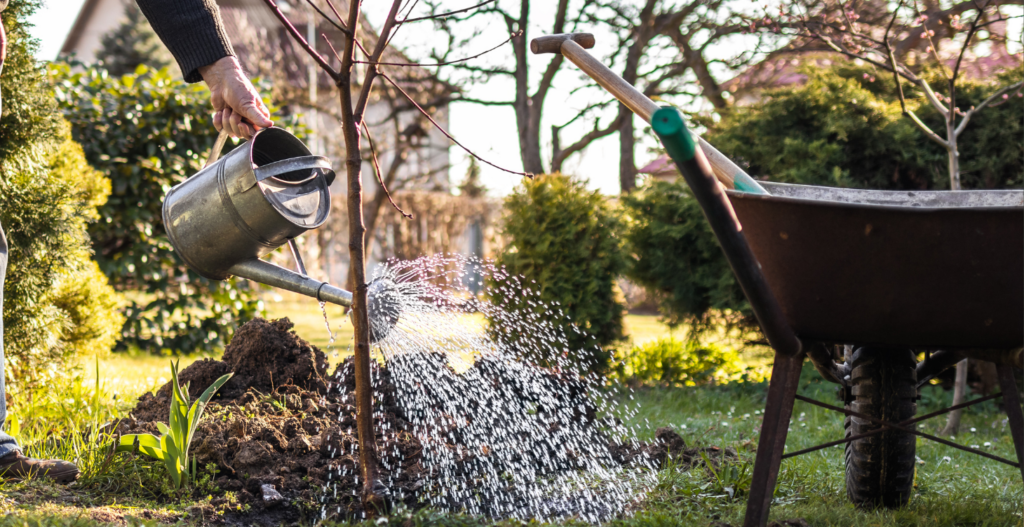
A Simple Earth Day Approach for Your Home 🌏
A home can be beautiful, comforting, and environmentally responsible all at once. You do not need to redesign your entire house to make a meaningful difference. Even a few thoughtful changes can have a real impact.
You could start by:
- swapping one synthetic item for a natural one
- choosing a non-toxic dish or laundry detergent
- replacing one household cleaner with a gentler version
- buying one second-hand piece instead of new
- adding plants to a room that feels a little sterile
- switching to LED bulbs
- choosing one local maker to support
- planting something native in your yard, garden, or balcony planter
- starting a small herb or vegetable garden
Small actions really do add up. Over time, they help create a home that feels healthier, more intentional, and more aligned with the values behind Thoughtful Home Studio: comfort, beauty, wellbeing, and thoughtful living.
You might also like:
- Spring Reset at Home: 10 Simple Ways to Refresh Your Space
- Front Porch Decor: How to Create a Welcoming Entry in 5 Simple Steps
- Why Cozy Matters (Especially Right Now)
- Hygge Home Ideas: How to Create a Cozy Home That Restores You
Join the Thoughtful Home Community 💚
If you enjoyed this post and would like more ideas for creating a thoughtful, more intentional home, I’d love to have you join me in my free Thoughtful Home Studio Skool community. It’s a friendly space where I share practical ideas, interior design inspiration, and meaningful conversations about how our homes can support our wellbeing.
If you’re not quite ready to join the community, you can also sign up for my email list and receive a free “Room-by-Room Wellbeing at Home” guide to get thoughtful home ideas, inspiration, and updates delivered straight to your inbox.