The bottom of this post contains a curated shopping list with affiliate links. If you make a purchase through my links, I may earn a small commission at no extra cost to you. Thank you for supporting Thoughtful Home Studio! 🌿
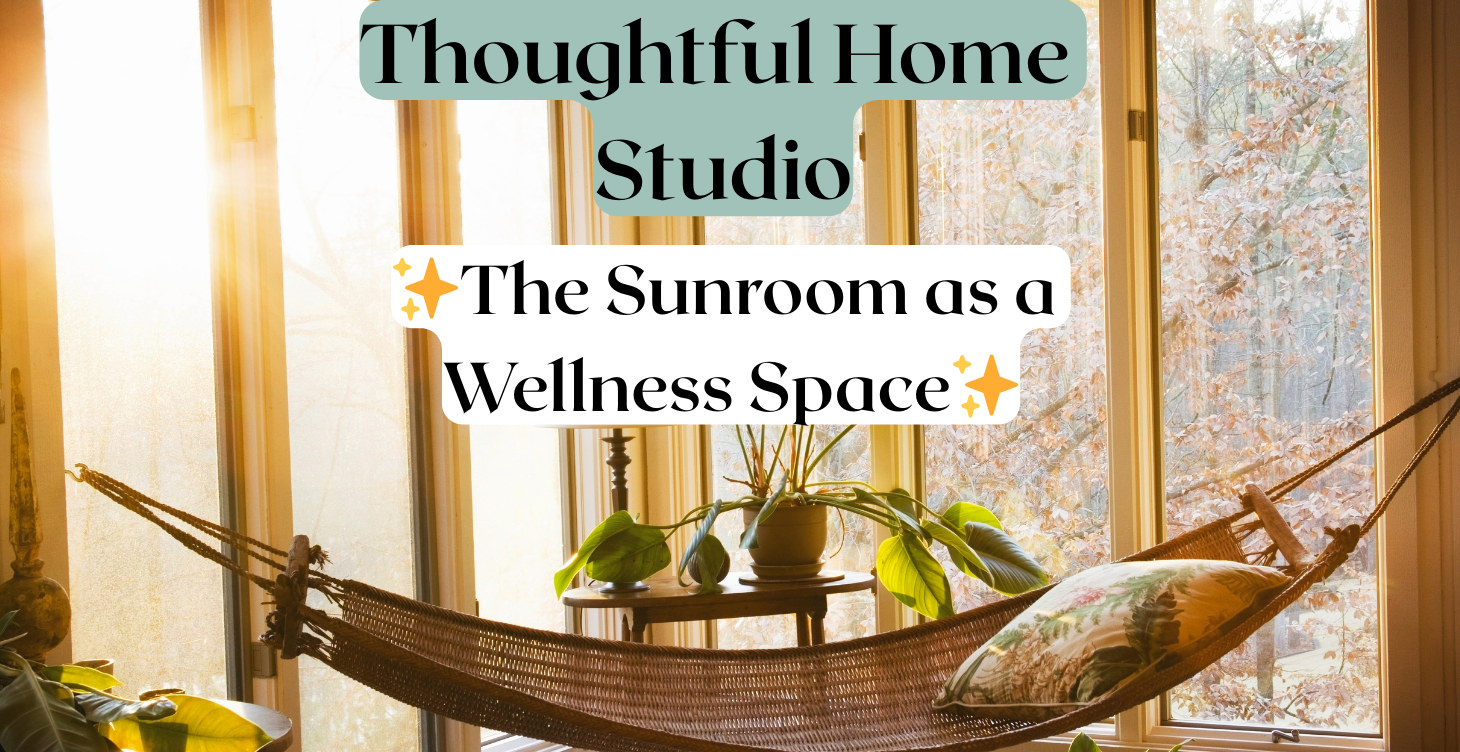
Did you know a sunroom can actually support your wellbeing?
When designed with intention, a sunroom can boost your mood, improve focus, encourage family time, benefit pets, and even improve your home’s energy efficiency.
In this post, we’ll look at why sunrooms can be such powerful wellness spaces and how you might benefit from having one: whether that means building one, enclosing an existing deck, or keeping it in mind for a future home.

1. How Natural Light in a Sunroom Supports Wellbeing
Natural light doesn’t just feel good, it has many health benefits!
Sunlight exposure:
- Boosts serotonin (often called the “happiness” hormone)
- Helps regulate your circadian rhythm (your sleep–wake cycle)
- Can reduce stress, improve sleep, and increase daytime energy
- Is often recommended for people affected by Seasonal Affective Disorder (SAD)
A sunroom gives you reliable access to daylight even when it’s cold, rainy, or buggy outside. Think of it as a daily calming reset for your nervous system.

2. Why a Sunroom Is a Wellness Space for Pets
Our pets benefit from sunlight and views of nature just like we do.
A sunroom can:
- Basking in the sun can help pets regulate their body temperature in cooler months
- Provide mental stimulation through safe “nature watching”
- Reduce boredom and stress
- Offer a secure, climate-controlled connection to the outdoors

3. Growing Food in a Sunroom for Health & Sustainability
A health benefit to having a sunroom is year-round growing opportunities.
You can:
- Grow herbs and veggies regardless of the season
- Manage temperature, humidity, and pests
- Reduce food waste by harvesting only what you need and adding your own compost
- Eat produce that’s fresher and more nutrient-dense
- Lower your grocery trips and carbon footprint
Great beginner plants include:
Cherry tomatoes, lettuce, peppers, green onions, microgreens, basil, mint, rosemary, thyme, and parsley.
Beyond food, there’s a great feeling of satisfaction and emotional calm that comes from nurturing living things in your own home. If you want more ideas for supporting sustainability at home, my Earth Day sustainable ideas post goes into more depth about simple, eco-friendly choices you can make in your own home.

4. How Sunlight Improves Productivity & Focus
Many studies have shown that sunlight can benefit both students and employees by improving their:
- Focus and alertness
- Memory and processing speed
- Test performance and work accuracy
- Comfort (fewer headaches, less eye strain, less drowsiness)

5. Designing a Flexible Family Sunroom for Wellbeing
A well-designed sunroom can be an excellent multifunctional space for the entire family:
- Desk by day → dining table by night
- Play space → yoga space → game night space
- Reading nook → conversation corner → sleepover zone
6. Biophilic Design: Bringing Nature Into Your Sunroom
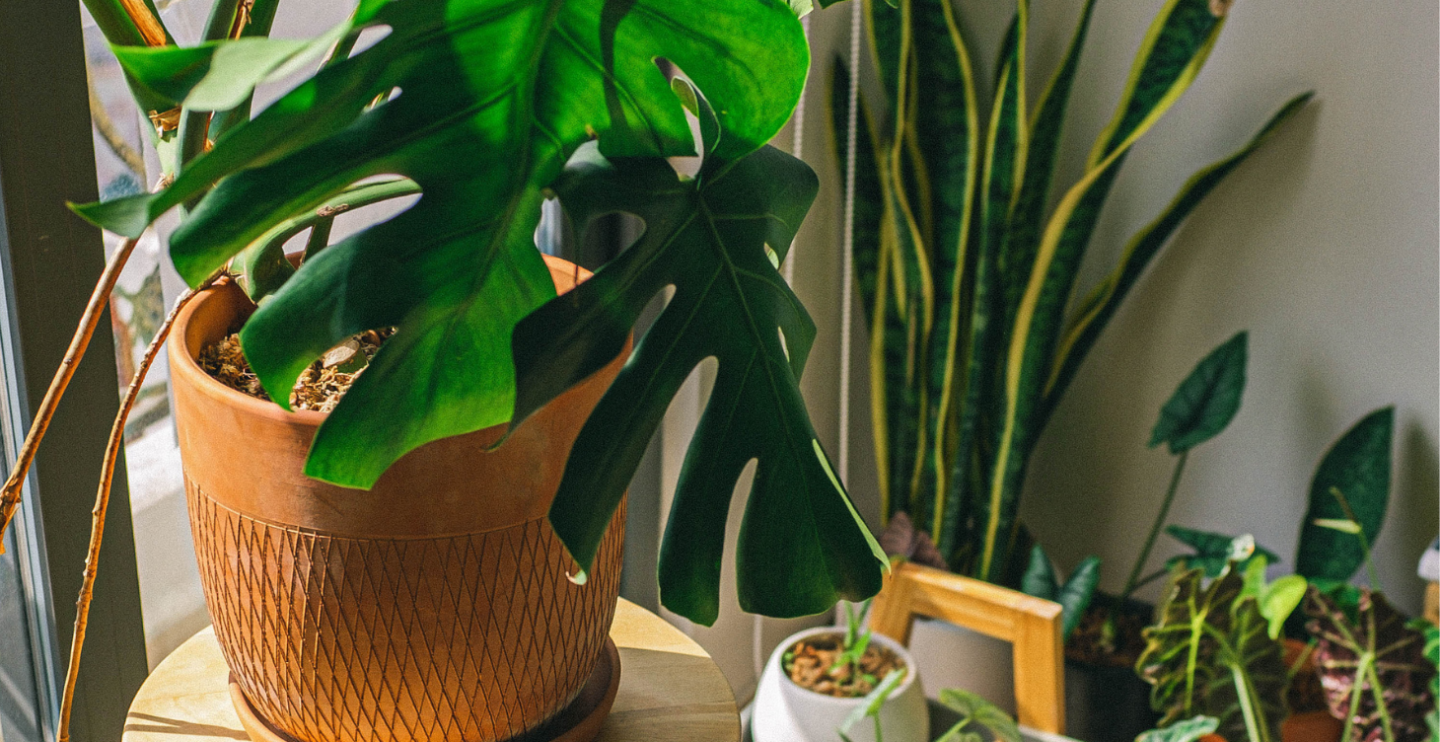
Connecting with nature brings joy into our life and contributes to our overall wellbeing. This is also at the heart of hygge philosophy, and if you want to explore how to bring that nature-connected warmth into every room in your home, Hygge Home Ideas has many practical suggestions to try.
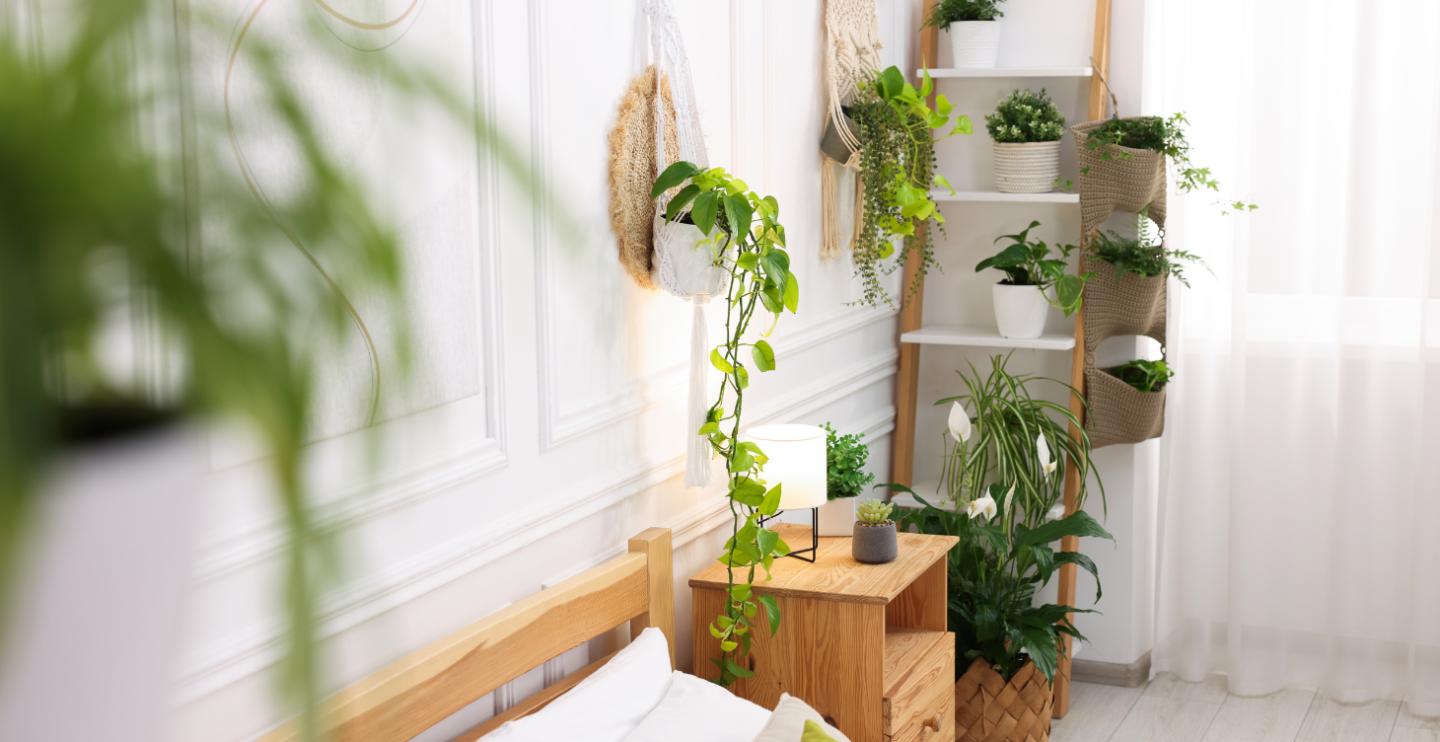
Indoor plants can:
- Lower stress and blood pressure
- Improve mood and calm your nervous system
- Help purify air by absorbing pollutants and releasing oxygen
- Make a space feel more alive, literally and psychologically
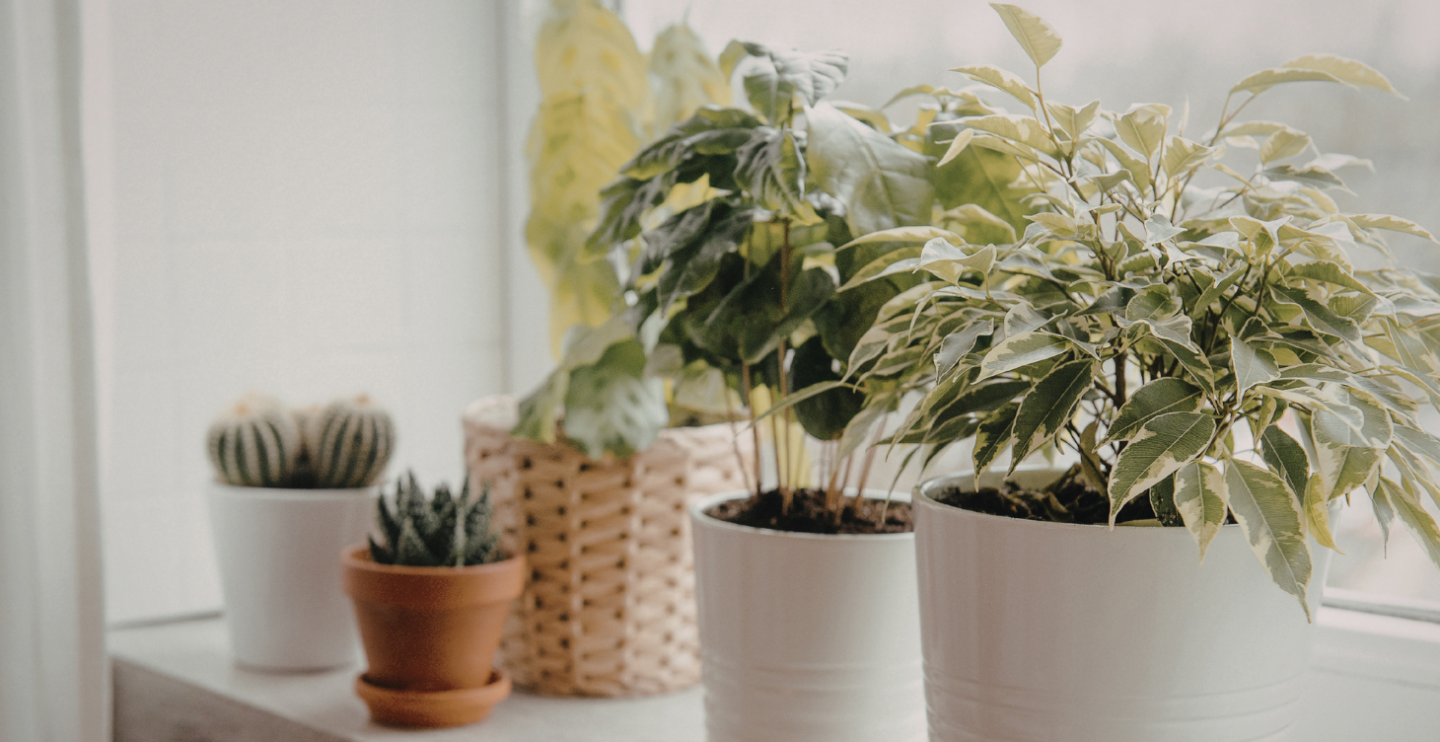
Beginner-friendly plants: Snake plants, Pothos, Spider plants
✨Designer Tip:
- Try grouping plants in odd numbers
- Choose planters made from natural materials (terracotta, woven baskets, ceramic)
- Vary the height of plants to create more interest

7. Creating an All-Season Exercise Space in Your Sunroom
There are many benefits to having a fitness space in your sunroom:
- No commute
- Open 24/7
- No gym fees
- No waiting for equipment
- Convenience = consistency
You might only need:
- A yoga mat
- Resistance bands
- A few weights
If space allows:
- A treadmill, bike, rower, or elliptical (many fold away)
8. Eco-Friendly Benefits of a Sunroom
A sunroom can be both a lifestyle upgrade and a sustainable choice:
- In winter, a sunroom can trap the sun’s heat, which can reduce heating costs and energy usage
- More daylight = less need for artificial lighting
- Less electricity use = lower bills and a smaller carbon footprint
✨How to Style a Sunroom for Wellbeing✨
Before making any design decisions, ask yourself:
“How do I want this space to function in my home?”
Once you’ve defined your goals for the room, all your design decisions will become easier. Here are some details to incorporate:
- Natural materials (linen, cotton, wood, rattan)
- Temperature control (space heater, air conditioning, windows that can open, a ceiling fan)
- Layered evening lighting (lamps, candles, fairy lights, dimmers)
🌿For Calmness, choose:
- Muted colors (warm whites, soft greens, sandy tones)
- Living plants for biophilic comfort
- Cozy, textural elements like rugs, cushions, and throws
Keep furniture minimal, because visual clutter can increase stress levels. If you want to understand more about why that calm, cozy feeling is so important for your overall health and wellbeing, Why Cozy Matters explores exactly that.
🌿For Focus:
If your sunroom doubles as a workspace, prioritize function over decor and include:
- An ergonomic chair and properly sized desk
- Adjustable task lighting
- Window treatments to reduce glare
- Closed storage to minimize visual noise
🌿For Family Connection:
- Arrange seating to face each other
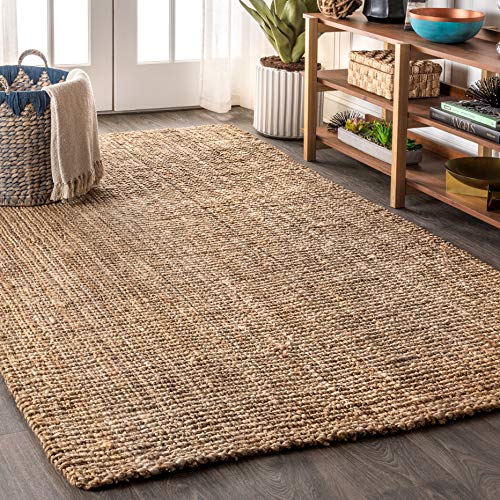
- Use a textured rug in a natural fibre (wool or jute) to anchor the room
- A table for dining, games, or homework
- Soft layered lighting
- Baskets for easy storage
- Cozy cushions and throws to encourage lounging
🌿For a Multifunctional Space:
Design for flexibility:
- Modular or lightweight seating
- Nesting tables
- Built-in storage benches
- Easily moveable furniture (on wheels)
Final Thoughts
When designed thoughtfully, an all-season sunroom can become a powerful wellness space in your home. By maximizing natural light, incorporating biophilic design, and styling the room to support your daily habits, you can support productivity, family connection, and sustainable living, to make life better. And if you’re thinking about refreshing the rest of your home with the same intentional energy, my Spring Reset at Home guide is a great place to start.
You might also like:
Front Porch Decor: How to Create a Welcoming Entry in 5 Simple Steps
Hygge Home Ideas: How to Create a Cozy Home That Restores You
Why Cozy Matters (Especially Right Now)
Earth Day: 10 Sustainable Ideas to Try at Home
Spring Reset at Home: 10 Simple Ways to Refresh Your Space

Sunroom Wellness FAQ’s
Is a sunroom good for wellbeing?
Yes. Increased exposure to natural light can help regulate your circadian rhythm, support mood, and reduce stress. A thoughtfully designed sunroom also provides visual access to nature, which is strongly linked to improved emotional wellbeing.
Does natural light really improve sleep?
Yes. Morning daylight helps signal to your body when to wake and when to wind down. Regular exposure to natural light during the day supports healthier sleep cycles at night.
Can a sunroom help reduce energy costs?
In colder climates, a well-designed sunroom can trap passive solar heat during sunny winter days. It also reduces the need for artificial lighting by maximizing daylight, which can lower overall electricity use.
What’s the difference between a sunroom, a solarium, and a conservatory?
A sunroom usually has large windows and a regular insulated roof. A solarium is usually built with glass walls and a glass roof for maximum sun exposure. A conservatory is typically attached to a historical home and often includes ornate architectural details with glass walls and high ceilings.

☀️Sunroom Decor: Curated Amazon Picks☀️











Join the Thoughtful Home Community 💚
If you enjoyed this post and would like more ideas for creating a thoughtful, more intentional home, I’d love to have you join me in my free Thoughtful Home Studio Skool community. It’s a friendly space where I share practical ideas, interior design inspiration, and meaningful conversations about how our homes can support our wellbeing.
If you’re not quite ready to join the community, you can also sign up for my email list and receive a free “Room-by-Room Wellbeing at Home” guide to get thoughtful home ideas, inspiration, and updates delivered straight to your inbox.